
You were only going to check one thing
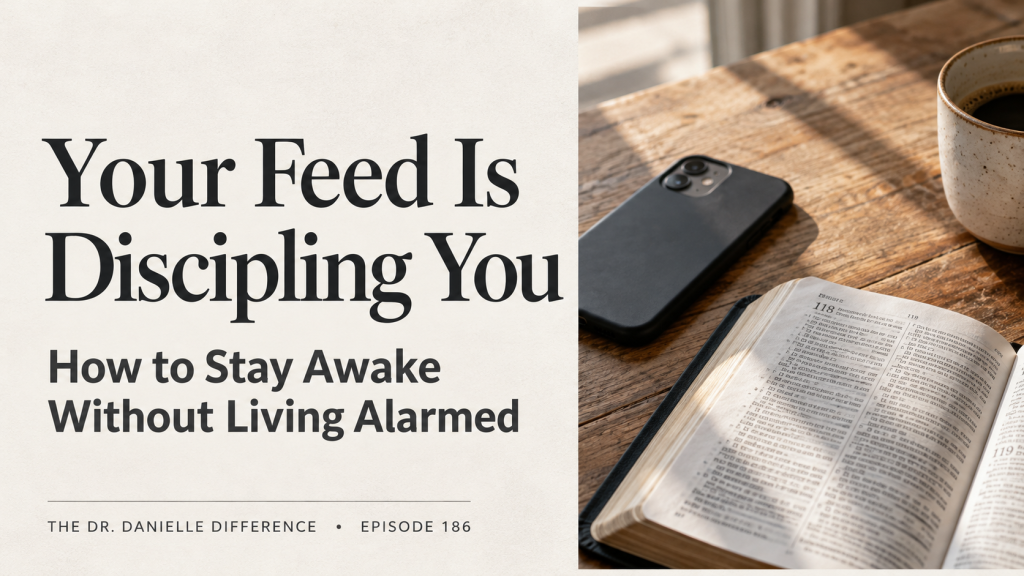
Somebody sent you a video. You were going to watch it real quick and get on with your day. Twenty minutes later, you’ve watched six more videos, read the comments, and started trying to figure out whether you need to buy something, prepare for something, or warn everybody you know.
Meanwhile, breakfast is still sitting there. Your child has asked you the same question over and over. You haven’t gotten dressed, and somehow you already feel behind. But you tell yourself you’re just staying informed.
Okay. Informed enough to do what?
I care about our country and what is happening in the world. I want to be discerning all the while understand the pull to keep checking the updates incessantly. Is this a millennial or Gen X thing because of all we’ve been through? I also know we need to examine what this habit is producing. After an hour on your phone, are you better able to serve the people in front of you? Did you make a useful decision, pray, or take action? Or are you wound up and looking for one more person to tell you what to think?
Your attention has habits too
When I say your feed is discipling you, I mean you’re learning from what you give your attention to over and over. You’re learning what deserves your concern, whom to trust, and how to respond when something happens.
I followed two women who used to work for the same company. After a while, both started showing up in my feed talking about each other. I eventually unfollowed them because I had to ask what any of this was doing for me. Was it making me a better disciple of Jesus? A better practitioner for my clients and members? Was it helping me serve? It wasn’t.
We understand repetition when it comes to exercise. You don’t expect one workout six months ago to make you stronger today. You know what you practice consistently matters. Your attention works into your daily habits too. You watch something upsetting, check for more information, send it to somebody, and come back later to see what happened. Then you wake up and check again.
What are you practicing?
Sometimes fear becomes so familiar that a quiet afternoon starts to feel irresponsible. You eat with your phone in your hand. You take a walk with somebody in your ears explaining everything that’s going wrong. You get in bed and decide you need one last update. There is no space where you let yourself stop taking in information.
Putting a Christian label on the content doesn’t settle whether it belongs in that space. Someone can mention God and quote a verse while asking you to trust a conclusion the passage doesn’t support. Read the passage in context. Examine how they got there. A hard truth can make you uncomfortable, and conviction can interrupt your plans. But we still need to examine the teaching and how we’re responding to it.
Read Mark 13 before somebody interprets the headline for you
In Mark 13, the conversation begins with the temple. The disciples admire the buildings, Jesus foretells their destruction, and they ask about timing and signs. His response includes warnings about deception, conflict, suffering, and the need to endure. He also makes clear that they do not know the day or the hour.
In verse 7, Jesus tells them not to be alarmed when they hear of wars and rumors of wars. Later, He calls them to stay awake. Read the whole chapter. Context matters, especially when somebody takes those words and uses them to tell you that constant agitation is your Christian responsibility.
Christians differ in how they understand details of this chapter. We can acknowledge those differences while taking seriously what Jesus says about deception, alarm, and readiness. Every frightening report does not give us certainty about a date.
Some of us have been treating agitation like evidence that we’re spiritually awake. If we’re upset enough, have enough information, and can explain what everybody else is missing, we feel prepared. But how are we living while we’re preparing? Are we telling the truth, loving our neighbors, and giving our families our attention? Can we hear someone disagree without deciding they’re stupid or our enemy?
You can know what five commentators think will happen next week and still have no idea how your child is doing today. Sit with that for a minute.
What are you going to do with what you know?
People are suffering and need help. There are things worth speaking up about, preparing for, praying about, and acting on.
If a family in your community needs a meal, can you bring one? If someone needs a ride to an appointment, can you drive them? If you need information before you vote or make a decision that affects your family, read reliable information and make a thoughtful decision. If you’re called to donate, volunteer, contact someone, or have a conversation, follow through.
Watching the same upsetting clip fifteen times does not automatically help the person in it. Feeling terrible all afternoon does not tell us whether you’ve served anyone.
Sometimes there is no direct action available to you today. You can pray, remain willing to help, acknowledge what you don’t know, and return to your responsibilities. We are called to a high level of responsibility, but we are not called to carry omniscience. We do not have to know everything happening everywhere to be faithful with what God has placed in front of us.
Yes, this belongs in a conversation about your health
You may be buying the right groceries and starting to exercise. Good. Now tell me what the rest of your day looks like. Are you staying up late watching videos? Eating lunch while reading something that leaves you upset? Skipping the walk you planned because you got caught in an argument in the comments? Sitting beside your family while your attention is somewhere else?
We have to count those habits too. You do not get to describe your lifestyle by the three things you’re proud of doing and leave out what you practice every night.
Putting your phone away is not a promise to fix your thyroid, resolve anxiety, or explain every health problem. Start with an observable pattern: what is this habit doing to the time you have for meals, movement, rest, relationships, and discipleship? If anxiety is interfering with sleep, work, relationships, or your ability to get through the day, bring professional care and trusted pastoral support into the conversation. Prayer and professional care can both belong in your life.
Ask these questions before the next video
Before you forward a story or open another comment section, ask where the information came from and how the source knows. Can you distinguish the original report from someone’s interpretation? If they’re teaching Scripture, does the passage support what they’re saying when you read it in context?
Then ask whether knowing more changes what faithfulness requires of you today. Sometimes you need an update about a local emergency or information that affects your family or work. Get the information you need. But pay attention to your response. Are you praying and becoming more willing to serve, or rehearsing contempt and looking for the next thing to be furious about?
Ask yourself: is this mine to act on, mine to pray about, or mine to release? You can pray and act. You can care and recognize a limit. Choose a response before the next suggested video chooses the rest of your afternoon.
Pick one boundary and follow through
Give Scripture and prayer a place before your feed gets your first attention. Read a passage in context and ask God to help you live faithfully with what is in front of you. If your phone is your alarm, you can use a separate alarm clock. That excuse has a very practical solution.
Set a time to check the news and use a timer. Give yourself a chance to finish the day without adding more stories before bedtime. Charge your phone somewhere else. Put it away during dinner and listen to your child’s whole story without looking at a screen.
I use Brick to create a boundary with my phone. Right now, I manually activate and deactivate it. You can find the tool I discuss here: BRICK LINK. Whatever boundary you choose, use the time for something you’ve been postponing: eat a proper meal, walk, finish the task, or sit with someone and listen.
You may feel the urge to check again. You’re practicing a different response to a familiar habit. That requires repetition. One good morning does not mean the work is finished.
Come practice with us inside Wilderness of Wellness
This is part of why I built Wilderness of Wellness. When we talk about taking care of your health, I want you to actually do it in your real life. The meals, the movement, the rest you keep postponing, and the habits you practice when nobody is watching all count.
For me, this is stewardship. God has given you a life to live and people to love. Caring for your health helps you participate in that life. Faith-based health discipleship brings our convictions into the ordinary decisions we’re making every day. We tell the truth about what’s happening, accept guidance, practice, and show up again.
If you have plenty of saved posts, podcasts, and books but keep reaching the end of another week without putting much into practice, join Women’s Wellness inside Wilderness of Wellness. We have a pathway, coaching, and community to help you work on your nutrition and lifestyle and bring your questions into the process.
Come ready to participate. You do not need perfect habits before you arrive. Before you open another app today, choose one boundary and follow through. Give your attention back to something you’ve been neglecting, and let what you believe about God shape how you live the next hour.
Listen to Episode 186
Share it with somebody who could use this conversation and subscribe to The Dr. Danielle Difference.